Introduction: The Invisible Crisis in Plantation Farming
In the vast agricultural landscape of Nigeria, from the cocoa belts of the South West to the oil palm estates of the South East and the grain fields of the North, a silent crisis often undermines profitability: soil fatigue. Intensive plantation farming extracts nutrients at a rate faster than nature can replenish, leading to a vicious cycle of increasing chemical fertilizer dependency, rising input costs, and diminishing yields.
For the modern Nigerian plantation owner, the solution is not merely “more chemicals,” but a strategic return to biological engineering. Enter Mucuna pruriens (Velvet Bean)—a leguminous cover crop that has earned the moniker “Green Gold” among agronomists. However, the efficacy of this crop relies entirely on the quality of the seed stock. This essay explores the critical agronomic and economic importance of Mucuna pruriens and argues why TROPICAL PLANTS (NIG) LIMITED stands as the definitive, reliable partner for sourcing this vital input in Nigeria’s agro-sector.
The Agronomic Edge: Why Mucuna Pruriens?
Mucuna pruriens is not just a plant; it is a biological tool. For plantation crops like Oil Palm, Cocoa, Rubber, and even large-scale Cashew estates, it offers a trifecta of benefits that directly impact the bottom line.
1. The Nitrogen Factory (Fertilizer Cost Reduction)
The primary value of Velvet Bean lies in its aggressive nitrogen-fixing capability.1 Through symbiosis with soil bacteria, Mucuna captures atmospheric nitrogen and converts it into a form available for plants.2 Studies in West African tropical soils estimate that a healthy crop of Mucuna can fix between 100 to 150 kg of Nitrogen per hectare.
- Economic Impact: This biological fixation can replace significant quantities of urea or NPK fertilizer, drastically lowering the operational expenditure (OPEX) for plantation maintenance.
2. The Weed Suppressor (Herbicidal Alternative)
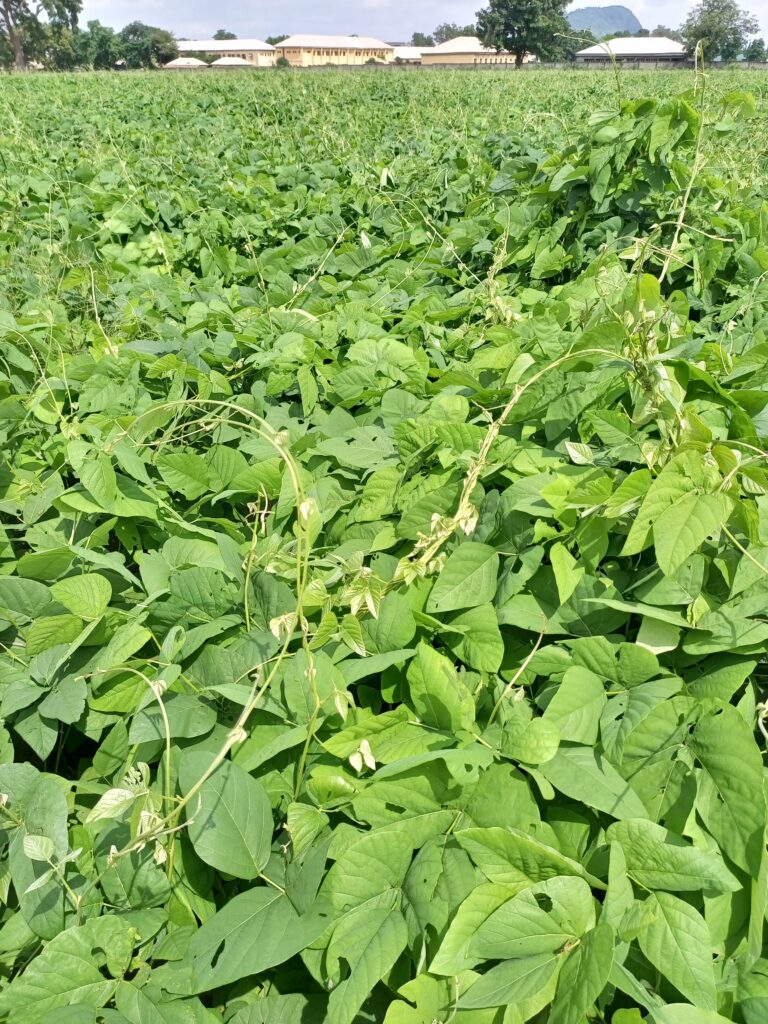
Weed management is often the single largest variable cost in plantation establishment. Mucuna pruriens is famous for its vigorous growth habit. It quickly forms a dense, thick canopy that smothers aggressive weeds—including the notorious Spear Grass (Imperata cylindrica)—by cutting off sunlight.
- Economic Impact: By planting Mucuna in the inter-rows of young tree crops, farms can reduce manual weeding frequency and herbicide usage by up to 70%, protecting young trees from chemical drift and root competition.
3. Soil Doctor (Nematode Control and Moisture Retention)
Beneath the soil, Mucuna roots secrete allelopathic compounds that suppress populations of harmful nematodes (microscopic worms that attack crop roots), particularly root-knot nematodes affecting cocoa and banana. Furthermore, the massive biomass generated by the plant (up to 30 tons of fresh organic matter per hectare) acts as a living mulch, retaining soil moisture during the fierce Nigerian dry season and preventing erosion during the rains.
The Supply Chain Bottleneck: The Risk of Poor Seed
Despite these benefits, many Nigerian farmers have failed to replicate success stories. The reason is almost always traceable to seed quality.
Mucuna pruriens seeds are highly sensitive. Poorly processed seeds suffer from:
- Low Germination Rates: Sourcing from open markets often results in dead seeds that fail to sprout, leading to wasted planting seasons.
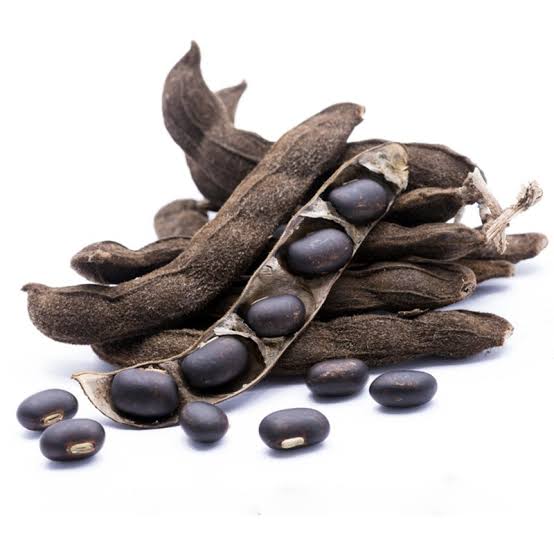
- Varietal Impurity: Planting the wrong sub-species can result in wild, stinging varieties (the “itchy” type) that are hazardous to farm workers, rather than the safe, non-stinging agricultural cultivars (var. utilis).
- Pest Infestation: Untreated seeds often harbor weevils, introducing new pests to the farm.
This is where the distinction between a generic market seller and a professional agro-export company becomes the dividing line between failure and profit.
The Strategic Solution: TROPICAL PLANTS (NIG) LIMITED
In a market flooded with unverified sellers, TROPICAL PLANTS (NIG) LIMITED has established itself as the singular, reliable authority for Mucuna pruriens seeds in Nigeria. Located in Abuja, and operating with the rigorous standards required for international export, this company has bridged the gap between subsistence sourcing and commercial-grade supply. Here is why they are the critical link for plantation success:
1. Export-Grade Quality for Local Farms
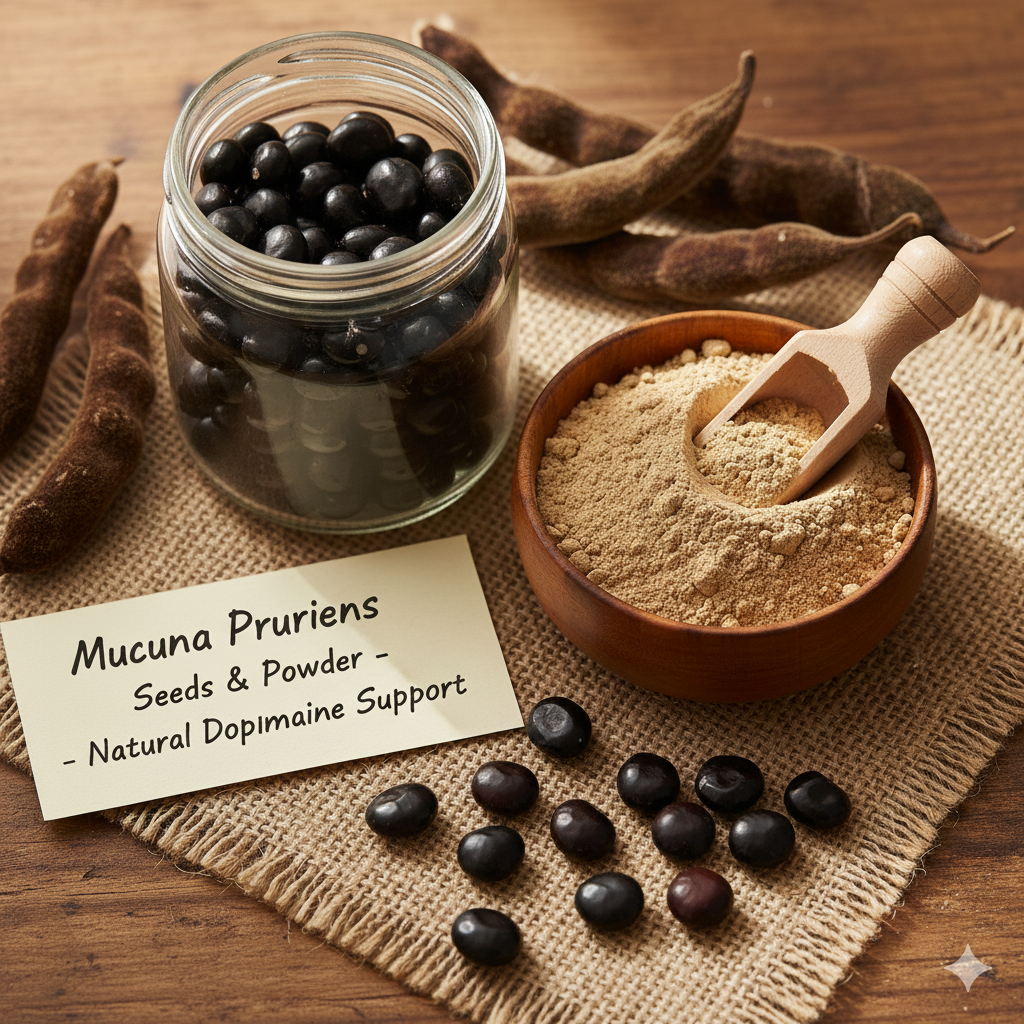
TROPICAL PLANTS (NIG) LIMITED is primarily an exporter. This means their internal quality control is calibrated to meet strict international phytosanitary standards. When a local plantation buys from them, they are effectively purchasing “export-grade” seeds—clean, dry, pest-free, and with high viability—that would otherwise be destined for overseas markets.
2. Guaranteed Varietal Integrity
There is no “trial and error” with TROPICAL PLANTS (NIG) LIMITED. They specialize in the non-stinging, high-biomass agricultural varieties specifically suited for soil improvement. Plantation managers can deploy workers into fields planted with their seeds without fear of the severe allergic reactions caused by wild Mucuna.
3. Capacity and Consistency
Large plantations require large volumes. Small-scale aggregators cannot guarantee the tonnage required to cover hundreds of hectares effectively. TROPICAL PLANTS (NIG) LIMITED has the logistical capacity to supply bulk quantities consistently, ensuring that cover cropping schedules align perfectly with the plantation’s planting calendar.
Conclusion
In the business of agriculture, soil is the principal asset. Treating it with Mucuna pruriens is not an expense; it is a capital investment that pays dividends in higher yields, lower chemical costs, and long-term land sustainability.
However, a strategy is only as good as its execution. To gamble on poor-quality seeds is to gamble with the season’s success. For the serious Nigerian planter, the path to soil regeneration leads through one door. TROPICAL PLANTS (NIG) LIMITED does not just sell seeds; they sell the assurance of growth, the security of quality, and the foundation of a profitable harvest. They are not just a vendor; they are the reliable partner every modern plantation requires.
Next Step for You:
Would you like me to draft a formal inquiry email or a Request for Quotation (RFQ) that you can send to TROPICAL PLANTS (NIG) LIMITED to ask about their current bulk pricing and delivery terms for Mucuna seeds? Take a step!